

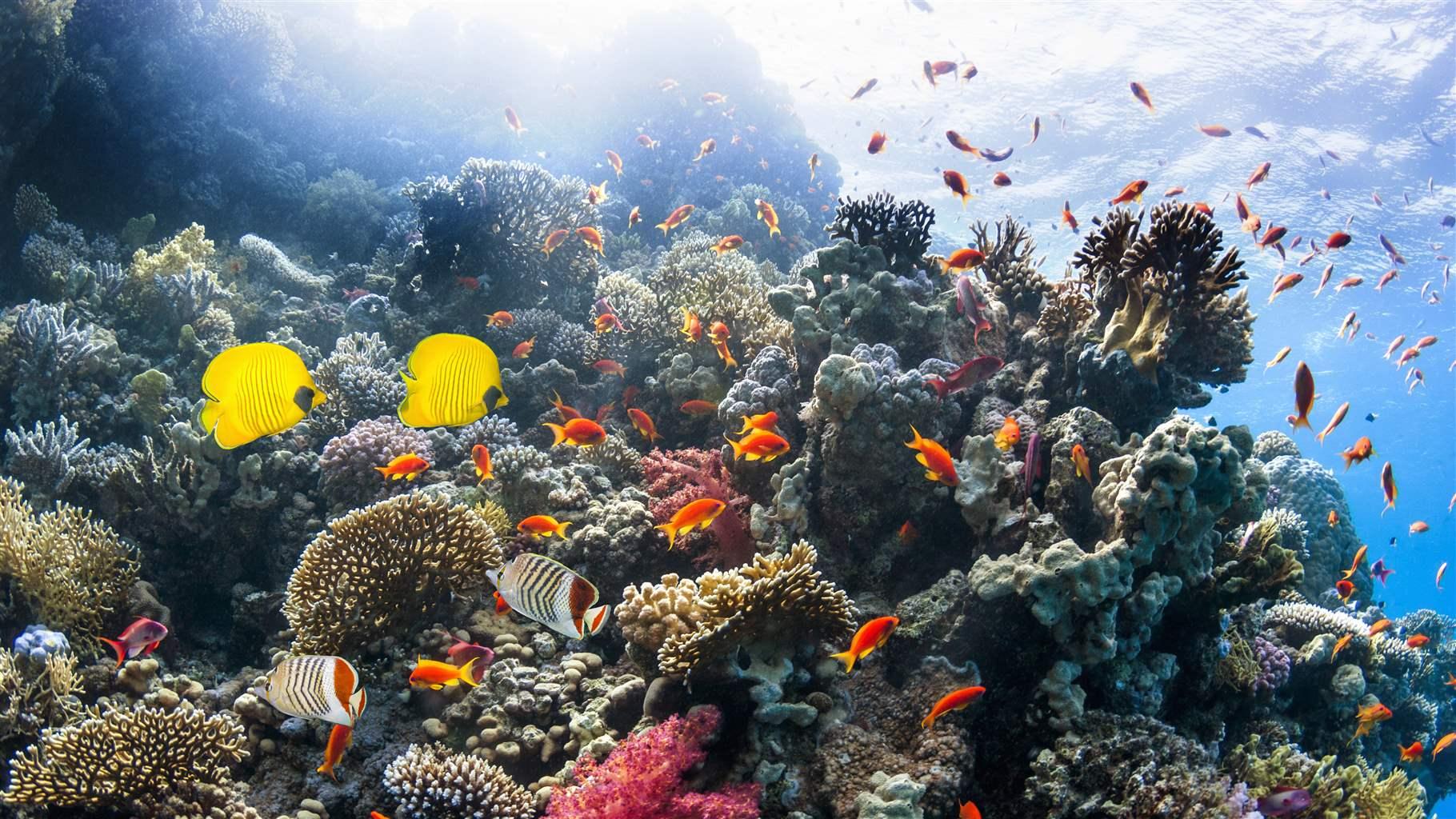
Supporting the balance between economics and nature is becoming an important part of future economic thinking. The subtle coral structures beneath the sea surface play a major role in supporting marine life. Investors are now seeking methods to learn what impact investing means by funding renewal ventures that support both ecology and maintainable profit. This new path encourages responsible finance that uplifts natural systems while ensuring steady returns.
Maintainable Financial Models
Economic structures that support coral projects rely on steady capital sources and ethical funding choices. These models combine ecological goals with measurable returns for financiers. By applying viable approaches, both conservation and profitability can thrive together. Investors now realize that funding marine recovery ensures growth beyond short-term gain.
- Investors seek responsible growth with measurable ecological outcomes
- Long-term funding secures stability for marine regeneration projects
- Collaborative systems encourage trust among environmental investors
- Transparent goals create confidence between partners and supporters
- Ethical decisions promote sustainable finance in coral ecosystems
Collaborative Marine Restoration
Bringing together scientific minds and financial experts strengthens coral rebuilding ventures. This partnership supports innovation through knowledge exchange and resource pooling. Combining expertise helps transform restoration concepts into realistic, scalable outcomes. Collaborative methods ensure that both ecological and financial benefits progress together while maintaining accountability.
Measuring Environmental Value
To connect finance with nature, measurable progress must be visible. Monitoring the coral habitats ensures that funding creates true ecological value. Investors can track recovery through reports showing biodiversity and growth metrics. Such clarity ensures accountability while building long-term support for conservation goals that align with business responsibility.
These ventures encourage participants to learn what impact investing means as they see tangible returns alongside visible ecological progress. Consistent evaluation builds trust, helping financiers feel assured that their resources contribute to genuine marine advancement.
Innovative Investment Approaches
New financial instruments encourage broader participation in coral recovery programs. These include blended finance models where private and institutional funds unite for a shared purpose. Investors now adopt innovative methods to create stability in eco-restoration. Such creative designs help bridge the divide between financial success and environmental care.
Empowering Coastal Communities
The success of marine projects depends on the involvement of nearby residents. Local groups play an essential role in maintaining coral zones through hands-on activities and monitoring. Empowering these communities provides jobs and enhances social well-being. This inclusion builds harmony between environmental protection and human development.
- Local cooperation increases commitment to coral preservation goals
- Community-led actions strengthen resource care and social stability
- Education supports continuous awareness of marine protection measures
- Employment opportunities arise through restoration involvement
- Shared benefits nurture unity between the economy and the environment
Balancing financial growth with natural care requires thoughtful action and collective participation. Responsible investment in restoration projects ensures both ecological and monetary value remain secure. Sustainable funding methods combined with community engagement offer long-lasting outcomes that benefit all sides. By building transparent systems, we can ensure every contribution results in measurable progress toward cleaner marine environments and stronger social foundations.
FAQs
How does sustainable finance support ocean restoration efforts?
It directs responsible funding into projects that rebuild marine ecosystems naturally.
Why are investors drawn to coral restoration initiatives today?
They offer steady returns while improving marine balance and ecological strength.
What makes collaboration vital for restoration success?
It merges resources and expertise to create stronger, reliable restoration outcomes.