
Reducing Fulfillment Costs Without Sacrificing Service Quality

Business

Cutting fulfillment expenses sounds simple on paper. Spend less on storage. Spend less on shipping. Done. In reality, it rarely works that cleanly.

When businesses start looking for the Cheapest 3PL, they are usually reacting to rising monthly invoices. Margins feel tighter. Advertising costs increase. Something has to balance the scale.

But chasing the lowest number can create new problems.

Hidden fees that appear later

The headline rate often looks attractive. Low pick fee. Low storage cost.

Then small additions show up:

  • Account management charges
  • Seasonal surcharges
  • Long term storage penalties
  • Special packaging upgrades

Individually, these fees seem minor. Together, they reshape the total invoice.

Transparency matters more than a bold marketing claim.

Storage costs depend on behavior

3PL in America

Warehousing fees are not fixed in isolation. They depend on how quickly inventory moves.

Slow moving products increase monthly storage costs. Fast turnover keeps them controlled.

A provider advertising the cheapest 3PL pricing may still become expensive if your inventory sits too long.

So the real question becomes: how efficient is your product cycle?

Sometimes the issue is internal forecasting, not external pricing.

Pick and pack efficiency

Every order triggers labor. Someone locates the product. Someone packages it. Someone prepares it for shipping.

Costs often vary by:

  • Number of items per order
  • Packaging complexity
  • Fragile handling requirements
  • Kitting or bundle assembly

Complex operations increase cost naturally.

Trying to reduce fees without simplifying order structure may limit savings potential.

Location influences real savings

Warehouse location affects shipping zones. Shipping zones affect carrier pricing.

Choosing the lowest service rate without considering geography can increase shipping expense overall.

For example, a centrally located warehouse may reduce transit time and shipping cost even if base handling fees are slightly higher.

Cost control is rarely one dimensional.

Contract flexibility and growth

Low pricing sometimes comes with long commitments. Volume minimums. Early termination penalties.

Growth patterns change. Sales fluctuate.

Before selecting the cheapest 3PL, evaluate how flexible the agreement is. A rigid contract can feel affordable initially but restrictive later.

Flexibility holds value too.

Operational strategies beyond provider switching

Reducing fulfillment expenses does not always require a new partner.

Businesses can:

  • Improve inventory forecasting
  • Remove slow moving SKUs
  • Optimize packaging dimensions

Internal adjustments sometimes generate meaningful savings without changing providers.

It is not always dramatic. But steady improvements add up.

Lowering fulfillment costs requires analysis, not impulse. Storage structure, order complexity, contract terms, and warehouse location all shape the final number.

Selecting the cheapest option only delivers real savings when transparency, operational alignment, and long term flexibility are considered together.

Body Language Habits Influencing Positive Presence in Social and Work Environments

Photogrpahy

Subtle shifts in stance create a welcoming impression that supports meaningful connections. Eye focus and controlled gestures answer the common question How to boost confidence during interactions. Consistent nonverbal signals strengthen trust across meetings and group discussions. The following sections connect physical expression patterns with a lasting and uplifting presence.

Open Posture Building Immediate Trust

An upright stance signals readiness for interaction and mutual respect. Relaxed shoulders reduce visual tension during conversations.

  • Balanced standing position improves approachability in group discussions
  • Gentle hand placement communicates calm and attentive listening behaviour
  • Forward lean shows active participation during collaborative exchanges
  • Natural head alignment strengthens perceived self-assurance instantly

Stable posture creates a positive first impression.

Facial Expressions Guiding Emotional Signals

Micro expressions influence how messages are received by others. Soft eye contact supports meaningful engagement. Subtle smiles reduce perceived distance between participants. Controlled reactions maintain professionalism in challenging discussions.

Hand Placement Reinforcing Message Clarity

Visible hands signal transparency during communication. Resting gestures avoid unnecessary distraction. Controlled motion highlights important points.

business headshots photography

Spatial Awareness during Group Conversations

Understanding personal distance improves comfort for everyone involved. Adjusting position shows social sensitivity.

  • Appropriate spacing maintains respectful interaction during collaborative meetings
  • Side angle stance supports inclusive group engagement patterns
  • Steady foot placement prevents restless shifting during discussions
  • Seated posture alignment enhances attentive listening appearance
  • Smooth directional turns acknowledge multiple speakers equally
  • Controlled chair movement avoids disruptive sound distractions
  • Upright walking pattern projects readiness in shared environments
  • Timed nodding confirms understanding without interrupting the speaker

Spatial awareness improves mutual comfort and clarity.

Gesture Timing for Stronger Presence

Well-timed motion reinforces spoken content. Delayed gestures reduce visual confusion. Minimal repetition keeps communication refined.

Consistent Nonverbal Patterns for Influence

Reliable physical cues shape professional identity across interactions. Observers often interpret stability as competence. Guidelines answering How to boost confidence include steady posture and calm motion. Repeated habits create a recognizable and positive personal presence.

Lasting Impact through Silent Signals

Physical expression shapes reputation before any spoken sentence. Calm stance encourages meaningful engagement in shared spaces. Measured motion strengthens professional credibility across interactions. Consistent habits create a reliable personal image. Body language habits influencing positive presence in social and work environments proves that refined nonverbal communication builds enduring influence.

How people usually integrate nicotine pouches into everyday habits

Shopping

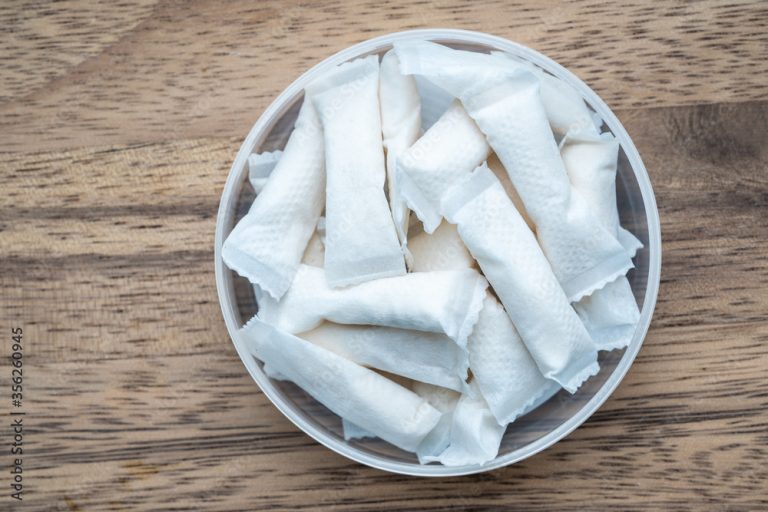
Most people do not plan a routine for nicotine pouches. It just happens slowly. One day they try it during work. Another day during travel. Over time it finds a place in the day. When people talk about daily use, Pablo Nicotine Pouches often get mentioned because users remember how the strength feels while doing normal things. These talks are simple. No advice. Just sharing what happened.

What makes nicotine pouches easy for many people is that they do not stop the day. There is no break needed. No movement required. Life continues while the pouch stays in place. That is why habits form without effort.

Morning routines and early use

Morning use feels different from later in the day. The body is fresh. The mouth is sensitive. Because of this, many people choose lighter strength in the morning. Strong options can feel too sharp at this time.

Some people use a pouch while getting ready. Others use it during travel to work. Most keep the session short. This helps avoid irritation early in the day. A calm start often leads to better comfort later.

Use during travel or short breaks

zyn nicotine pouches

Travel is a common time for pouch use. Sitting in a bus or waiting somewhere makes it easy. There is nothing to handle. No setup.

Short breaks are different. Some people prefer stronger options during breaks because the session is limited. Others prefer the same strength they use all day. Both choices depend on comfort.

These small decisions shape daily habits.

Adjusting patterns with experience

Habits change with time. What works in the first week may not work later. Users notice small signs like dryness or irritation. These signs guide changes.

People adjust strength. They adjust timing. They adjust flavour. This is not a problem. It is part of learning. No routine stays fixed forever.

After some weeks, many users feel their routine settle naturally.

Keeping usage steady and controlled

Steady use does not mean frequent use. It means comfortable use. Many people space their sessions. They avoid using pouches too close together.

Water helps. Breaks help. Removing a pouch early helps. These habits keep the mouth comfortable throughout the day.

Before ending, one thing should stay clear. Pablo Nicotine Pouches are often talked about because users feel their effect clearly during daily activities, but comfort always depends on timing and strength. No pouch works well if it interrupts the day.

Nicotine pouches become part of everyday habits when they stay quiet. When people move slowly and pay attention, use feels natural. Over time, it blends into life without effort.

Salads That Actually Hold You Together Through The Day

Food

Most people do not dislike salads. They dislike what salads usually do to them. Hunger comes back fast. Energy dips. The meal feels unfinished. That is why choosing salads in Washington only works when they stop feeling like a placeholder and start feeling like food that actually supports the day.

Salads fail when they are built like decoration. A few leaves. Some crunch. No weight. That kind of meal creates frustration, not balance.

  • You eat it
  • You feel light for a moment
  • Hunger shows up again too soon
  • Focus drops
  • Snacking starts

That cycle makes people give up on salads entirely.

Why salads got a bad reputation

  • Too many are thrown together without thought
  • Portions ignore real hunger
  • Texture feels repetitive
  • Flavor depends on dressing alone
  • They feel like punishment food

When a salad feels like something you force yourself to eat, it will never last in a routine.

What changes when salads are built properly

  • Ingredients carry actual substance
  • Each bite feels intentional
  • Hunger stays quiet longer
  • Energy feels steady instead of sharp
  • You stop thinking about food immediately after

A good salad does not scream healthy. It simply works. That difference is noticeable without analyzing it.

Salads and busy schedules actually match well

  • Easy to eat without rushing
  • Light enough to avoid afternoon drag
  • Filling enough to skip random snacks
  • Flexible when lunch happens late
  • Comfortable for workdays

This is where salads quietly win. They do not interrupt the rest of the day. They support it.

Fresh preparation changes everything

  • Texture stays intact
  • Ingredients feel clean
  • No soggy or tired bites
  • Flavors stay clear
  • Meals feel lighter without being empty

Freshness is not about trends. It is about food that still feels alive when you eat it.

Salads

Salads fit more eating habits than expected

  • Works for plant focused routines
  • Easy to adjust based on appetite
  • Pairs well with smaller add ons
  • Does not force strict rules
  • Comfortable for mixed preferences

Salads adapt. They do not demand commitment. That is why people return to them without thinking too hard.

When salads replace missed meals

  • Meetings run long
  • Errands stretch out
  • Appetite shows up late
  • Cooking feels exhausting

In those moments, salads fill the gap without creating heaviness. That matters more than people admit.

Why people start choosing salads again

  • Hunger stays under control
  • Energy feels even
  • Eating feels calm
  • No regret afterward
  • Food stops being distracting

Once that happens, salads stop feeling like a compromise.

By the end of the day, it makes sense why salads in Washington slowly earn trust back. Not because they are light. Because they are reliable. They do what a meal should do without asking for effort or discipline.

Salads do not need convincing language. When they are done right, people notice. And they keep coming back, not out of habit, but because the day feels easier afterward.

Understanding Heated Tobacco Benefits And Practical Everyday Use Insights

Shopping

Most people do not search for alternatives because they are excited. They search because something feels off. Maybe the smell hangs around longer than it should. Maybe the taste feels heavier than it did years ago. Or maybe it is just one quiet moment where the habit no longer feels comfortable. That is usually when pages like https://ukheatedtobacco.co.uk/ start showing up in someone’s browser, not as a plan but as part of thinking things through.

Heated tobacco often appeals to adults who are not trying to reinvent anything. They want tobacco to stay familiar. They just want fewer annoyances wrapped around it.

After that first look, the questions are practical, not technical.

  • Does it actually feel different during daily use
  • How noticeable is the smell in real settings
  • What changes at home or around other people
  • How much effort devices really need
  • Whether it feels natural after a few weeks

Those answers matter more than features on a box.

Heated Tobacco Defined And Why It Matters

Heated tobacco uses real tobacco sticks, but instead of lighting them, the device warms them to a set temperature. No burning happens. That difference may sound small, but it changes how the session feels.

Without fire, the experience feels calmer. There is no race against a cigarette burning down. The draw stays steady, and the session feels more controlled. Many adult users say this predictability makes heated tobacco easier to live with over time, especially during short breaks.

Devices That Heat Instead Of Burn Tobacco

heated tobacco

The devices themselves are built to stay consistent. Internal systems control how warm the tobacco gets, keeping it below the point where burning starts. That control keeps the experience even from start to finish.

Daily use becomes simple. Insert the stick. Wait briefly. Use it. When the session ends, it ends cleanly. No ash. No mess. Over time, these small details make the device feel dependable rather than fussy.

What You Should Know When Starting Heated Tobacco

The first few days can feel different, and that is normal. The taste may seem lighter at first. The draw may not match old expectations immediately. Many users say this adjustment phase passes once the body gets used to the change.

Charging is another early habit. Forgetting to charge once usually fixes that quickly. After a short while, the device fits into daily routines without needing attention.

Long Term Considerations For Heated Tobacco Users

With time, many users notice changes in how they approach tobacco. Sessions feel more deliberate. Use feels less rushed. The experience becomes something that fits into the day instead of interrupting it.

As understanding grows, references such as https://ukheatedtobacco.co.uk/ often come back into view, especially when people want to explore different tobacco sticks or refresh their knowledge. At that stage, the interest feels steady rather than uncertain.

Heated tobacco does not promise transformation. It offers adjustment. The smell feels lighter. The routine feels cleaner. And for many adults, those small shifts are enough to make it feel like a better fit.