Specialized part production helps companies obtain components suited to specific operating needs. Industrial equipment often requires exact sizes, shapes, materials, and tolerances for dependable operation. Standard components may not match unusual designs or older machinery. Custom production closes these gaps through careful measurements, machining, testing, and finishing. This approach helps maintain reliable performance while supporting practical replacement needs through a machine shop Dallas.
Precise Component Design
Custom components begin with accurate measurements of the required shape, dimensions, and connection points. Engineers review drawings, samples, or existing parts to understand the required specifications. Material selection also considers load, temperature, wear, and working conditions. Careful planning reduces fitting problems while supporting steady operation across different industrial equipment applications.
Flexible Production Methods
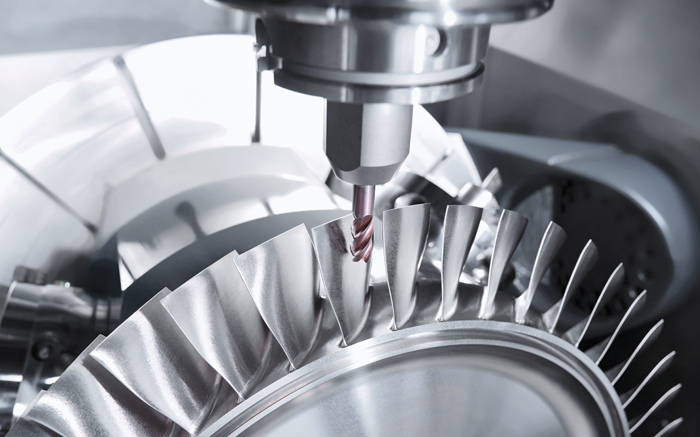
Specialized manufacturing can support simple replacement parts as well as complex components. Machining methods are selected according to size, material, shape, and required accuracy. Computer-controlled equipment helps maintain repeatable dimensions during production. This flexibility allows manufacturers to handle unusual requirements without forcing designs into unsuitable standard sizes.
Reliable Material Selection
Material choice directly affects strength, durability, weight, and resistance during regular operation. Metals or engineered materials may be selected according to the component’s working conditions. Proper selection helps reduce early wear while maintaining structural stability. A machine shop Houston may also review sample parts to identify suitable material characteristics for replacement production.
Quality Checks Improve Accuracy
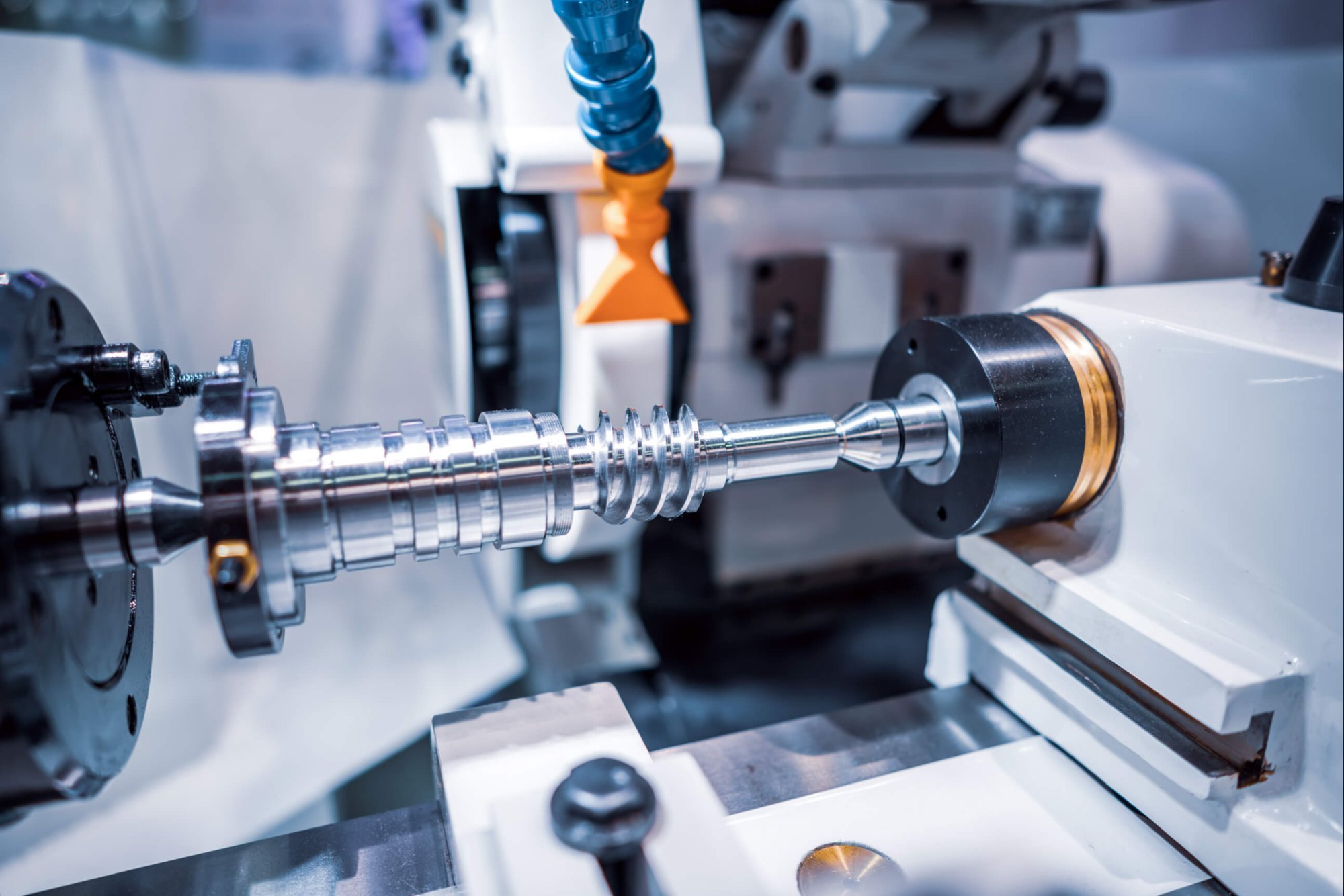
Inspection helps confirm that manufactured components match approved measurements before they reach operating machinery. Technicians can check dimensions, surface condition, alignment, and critical connection points. Useful checks include:
- Precise measurements confirm required dimensions before component approval
- Surface inspections identify marks that could affect proper fitting
- Material checks verify suitability for demanding operating conditions
- Alignment testing supports correct placement within connected assemblies
- Final reviews reduce fitting problems during equipment installation
These steps help maintain consistent quality while reducing unnecessary adjustments during assembly. Reliable inspection is especially important when replacement components must match existing industrial equipment closely.
Supporting Long-Term Operation
Specialized production helps extend the useful period of equipment by supplying parts that match specific requirements. Instead of replacing an entire assembly, a suitable component can address a worn or outdated section. This approach can reduce unnecessary downtime while supporting continued operation.
Accurate measurements, suitable materials, controlled machining, and careful inspection work together to create dependable parts. Businesses can address worn components, uncommon dimensions, and replacement challenges without relying only on standard products. With proper planning, specialized production supports stable machinery operation while reducing avoidable fitting issues and production interruptions.
FAQ
Why are specialized components needed for unusual machinery requirements?
They match specific dimensions, materials, shapes, and operating conditions accurately.
How does inspection support reliable component manufacturing quality?
Inspection confirms measurements, alignment, surface condition, and material suitability.
Can custom parts support older equipment still in operation?
Yes, suitable measurements can guide replacement component production accurately.