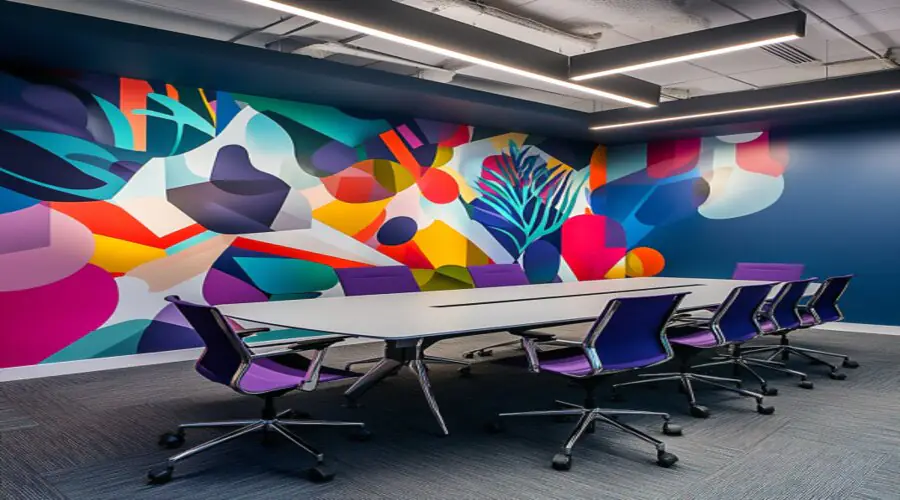
Empty walls often leave rooms feeling incomplete and less inviting to those who enter. Business owners and homeowners search for ways to add interest without major rebuilds. Choosing wall mural paintings gives a direct method to bring color story and character onto blank surfaces. The right approach turns plain areas into focused points of interest that support the room purpose. Careful decisions on theme size and finish create results that feel natural and lasting.
Selecting Suitable Themes
A fitting theme links the artwork to the main use of the room. Clear simple stories work better than crowded images that distract the eye. The idea should remain easy to read from different positions inside the space. Themes that support the overall mood stay useful for a long period.
- Choose themes that match the primary activity of the room.
- Keep the central idea simple for quick understanding by viewers.
- Reduce extra elements so the main message stays clear.
- Draw a basic outline first to check the full direction.
- Ensure the theme builds the exact feeling needed in the space.
Picking Color Combinations
Colors influence how a room feels the moment someone walks in. Soft shades promote a quiet setting while brighter shades increase energy. Every color must blend with the furniture and lighting already present. A well matched set keeps the wall from dominating the entire area.
Balancing Design Size
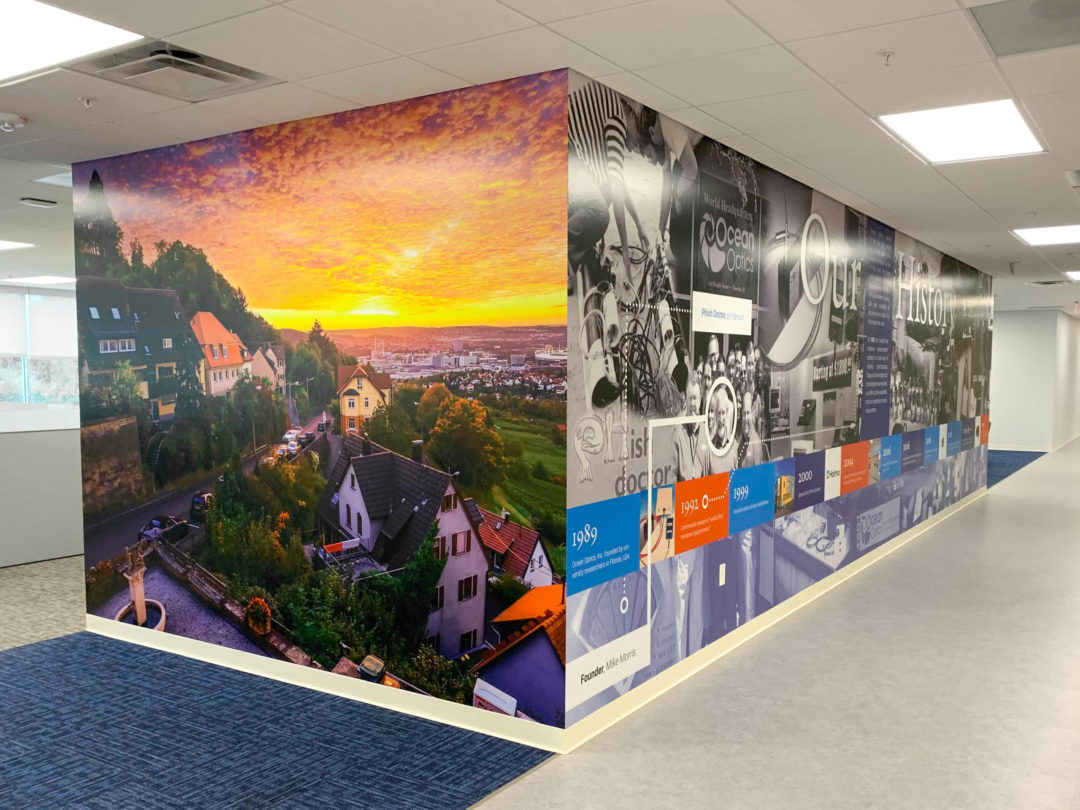
The scale of the artwork must suit the wall without making the space feel closed. Large walls handle bold shapes with greater ease. Smaller walls need lighter coverage so people move freely. Measuring the full surface first avoids problems with fit later. Proper wall mural paintings respect the real height and width of each wall.
Choosing Lasting Materials
Quality materials protect the finished design from daily wear in active rooms. Surfaces that resist fading and regular cleaning keep their appearance longer. The finish should perform well under varied indoor lighting conditions. Strong options reduce the frequency of repairs over the years.
- Select paints that maintain color under normal indoor lighting levels.
- Prefer surfaces that allow cleaning without loss of finish quality.
- Test small sections for strength against standard cleaning products.
- Use materials suited to busy commercial or home interior walls.
- Verify the base layer supports firm adhesion of the design.
Organizing Work Sequence
A clear order of tasks prevents delays and damage to nearby surfaces. The wall must be clean dry and smooth before any painting begins. Covering floors and close items keeps the rest of the room safe. A final check after completion confirms the design sits as planned.
Focused attention on theme color scale materials and work order changes blank walls into meaningful visual features. When every choice fits the true function of the space the result feels complete and purposeful. Consistent care with these practical steps produces interiors that remain interesting and support daily use for a long time.
What helps a mural theme succeed in most rooms?
Simple clear ideas that match the room purpose work best.
How should colors be selected for wall artwork?
Pick tones that fit the mood and existing room pieces.
Why does material strength matter for finished designs?
Durable choices resist wear and keep colors bright longer.