
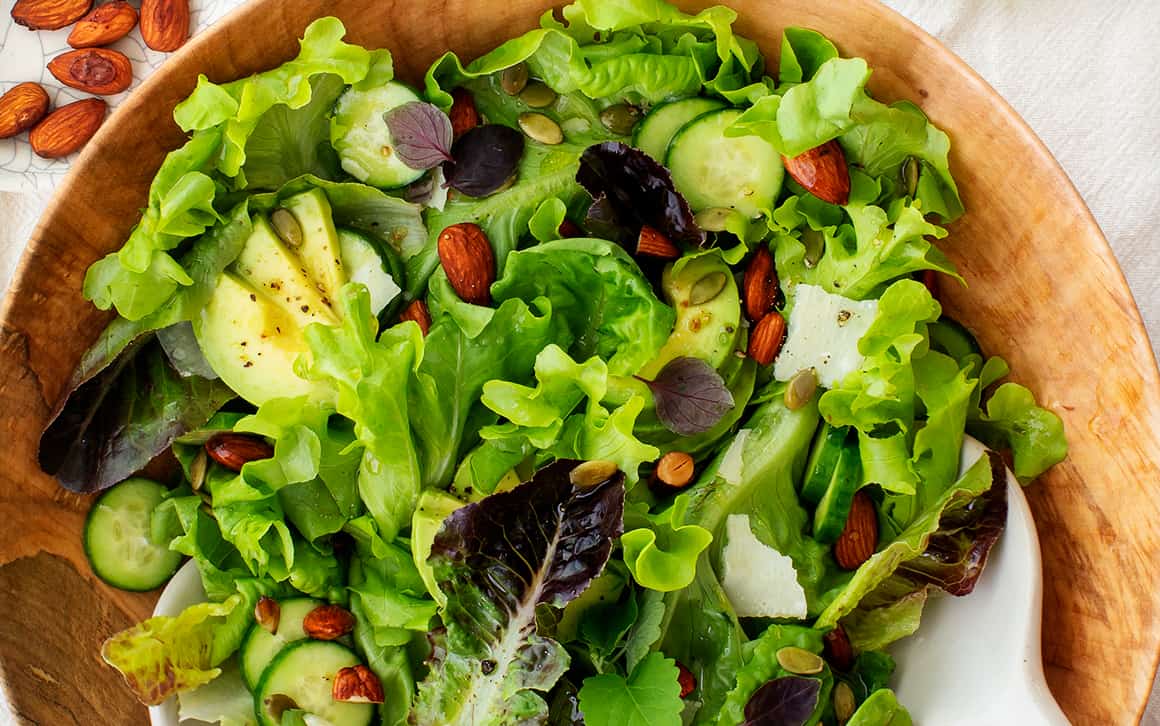
Most people do not dislike salads. They dislike what salads usually do to them. Hunger comes back fast. Energy dips. The meal feels unfinished. That is why choosing salads in Washington only works when they stop feeling like a placeholder and start feeling like food that actually supports the day.
Salads fail when they are built like decoration. A few leaves. Some crunch. No weight. That kind of meal creates frustration, not balance.
- You eat it
- You feel light for a moment
- Hunger shows up again too soon
- Focus drops
- Snacking starts
That cycle makes people give up on salads entirely.
Why salads got a bad reputation
- Too many are thrown together without thought
- Portions ignore real hunger
- Texture feels repetitive
- Flavor depends on dressing alone
- They feel like punishment food
When a salad feels like something you force yourself to eat, it will never last in a routine.
What changes when salads are built properly
- Ingredients carry actual substance
- Each bite feels intentional
- Hunger stays quiet longer
- Energy feels steady instead of sharp
- You stop thinking about food immediately after
A good salad does not scream healthy. It simply works. That difference is noticeable without analyzing it.
Salads and busy schedules actually match well
- Easy to eat without rushing
- Light enough to avoid afternoon drag
- Filling enough to skip random snacks
- Flexible when lunch happens late
- Comfortable for workdays
This is where salads quietly win. They do not interrupt the rest of the day. They support it.
Fresh preparation changes everything
- Texture stays intact
- Ingredients feel clean
- No soggy or tired bites
- Flavors stay clear
- Meals feel lighter without being empty
Freshness is not about trends. It is about food that still feels alive when you eat it.
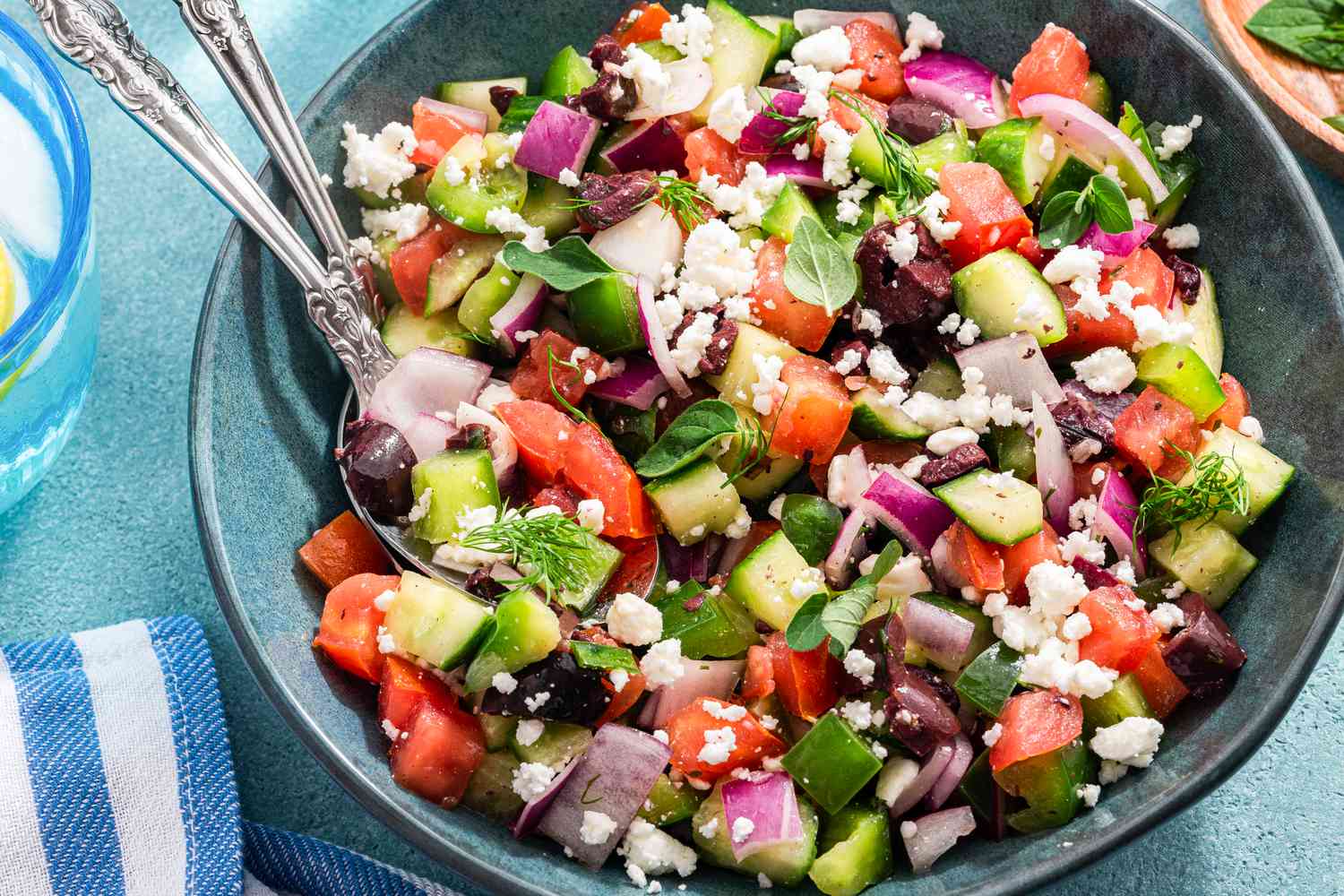
Salads fit more eating habits than expected
- Works for plant focused routines
- Easy to adjust based on appetite
- Pairs well with smaller add ons
- Does not force strict rules
- Comfortable for mixed preferences
Salads adapt. They do not demand commitment. That is why people return to them without thinking too hard.
When salads replace missed meals
- Meetings run long
- Errands stretch out
- Appetite shows up late
- Cooking feels exhausting
In those moments, salads fill the gap without creating heaviness. That matters more than people admit.
Why people start choosing salads again
- Hunger stays under control
- Energy feels even
- Eating feels calm
- No regret afterward
- Food stops being distracting
Once that happens, salads stop feeling like a compromise.
By the end of the day, it makes sense why salads in Washington slowly earn trust back. Not because they are light. Because they are reliable. They do what a meal should do without asking for effort or discipline.
Salads do not need convincing language. When they are done right, people notice. And they keep coming back, not out of habit, but because the day feels easier afterward.