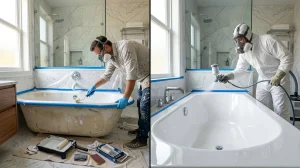
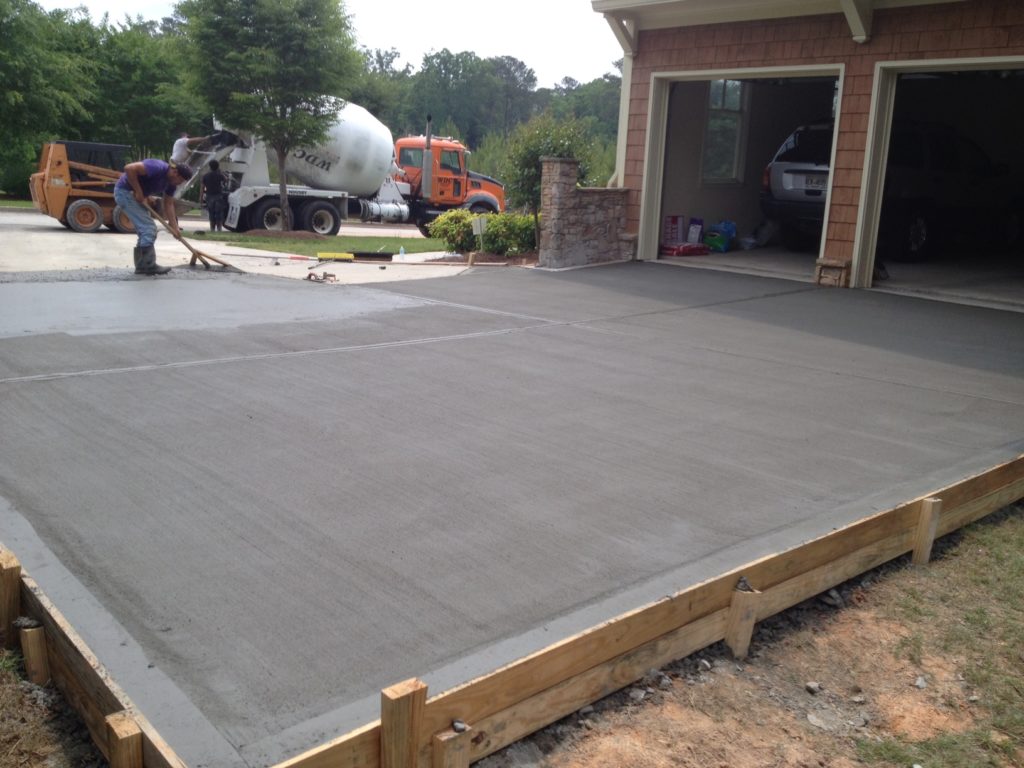
Strong construction depends on surfaces that handle extreme climate pressure without losing strength. Builders now focus on advanced materials that resist moisture, heat, and surface wear. Careful planning supports structures that remain stable during harsh seasonal shifts. Engineered coatings protect layers from cracking and early decay. Modern practices link durability with responsible building choices for long-term value. Trusted solutions from https://sites.google.com/view/leland-construction-concrete/ guide reliable surface development.
Material science behind weather resistance
Construction research connects surface strength with controlled compound mixtures. Protective layers shield structures from erosion and daily exposure damage. Advanced blends reduce the chance of fractures caused by temperature variation. These methods allow buildings to maintain shape and safety standards.
Design principles for durable structures
Architectural planning now emphasizes long lasting surface solutions. These principles combine strength with visual stability.
- Engineered surfaces prevent water absorption during heavy climate shifts.
- Protective compounds block harmful ultraviolet rays from weakening materials.
- Reinforced textures improve grip during wet seasonal conditions.
- Balanced mixtures reduce surface tension from freezing environments.
- Layered coatings enhance resistance against chemical exposure risks.
- Precision application ensures even coverage across every structural area.
- Smart curing processes increase long-term surface hardness levels.
- Structural surfaces remain firm under repeated environmental stress.
Technology is improving construction surface performance
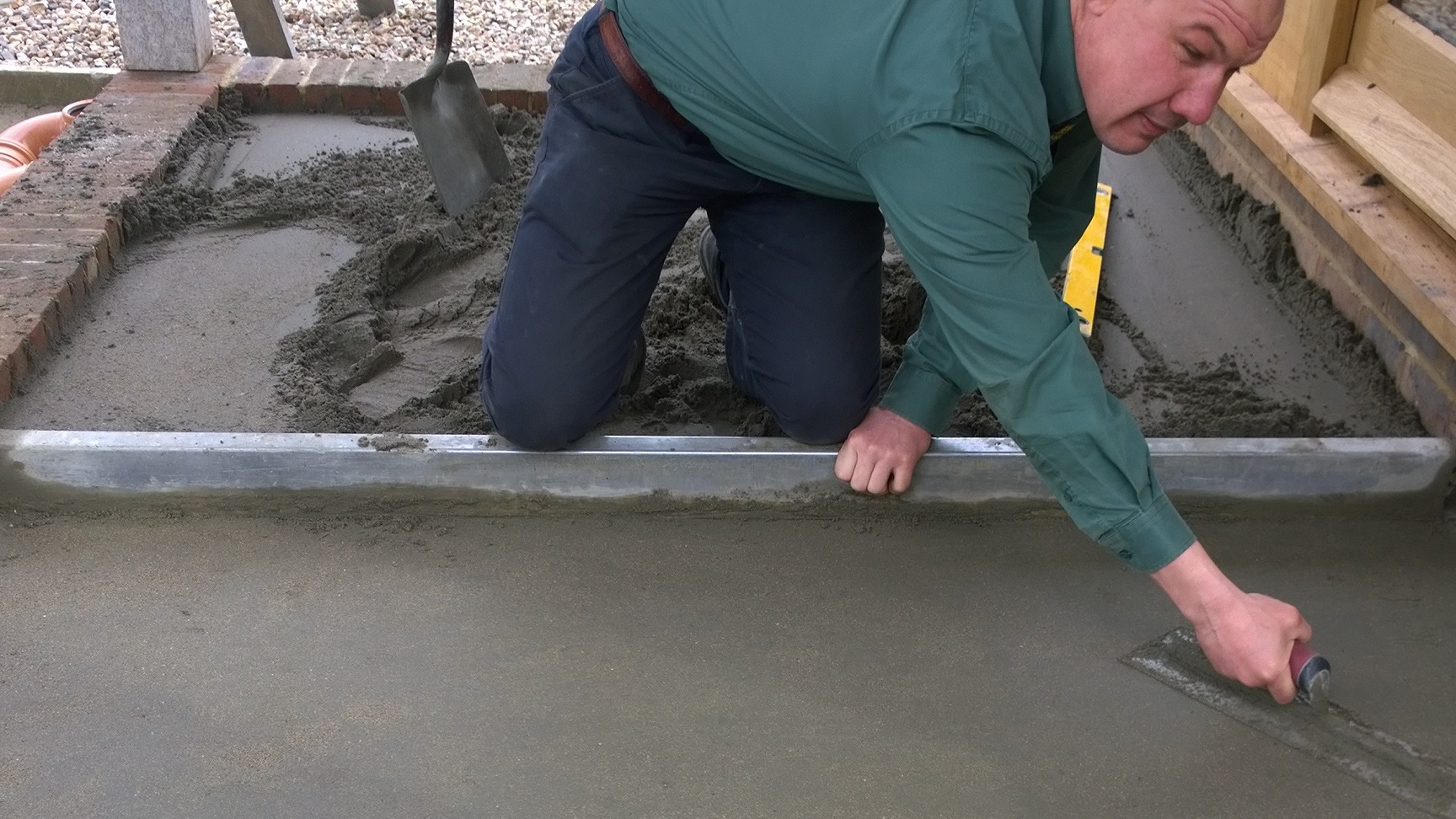
Modern tools support accurate mixing and surface preparation. Digital monitoring ensures correct curing times for each layer. Innovation creates surfaces that withstand pressure and heavy use. These improvements redefine reliability in building practices.
Why do climate conditions challenge construction surfaces?
Environmental forces constantly test the strength of building materials. Rain, heat, and wind create stress across exposed areas. Climate change influences how surfaces expand and contract over time. Moisture penetration weakens untreated layers and increases repair needs.
Surface protection through smart engineering
Engineering methods now integrate climate awareness into construction planning. Design teams apply tested formulas for consistent results. Durable coatings extend service life across demanding weather cycles.
Comparative performance of resistant surfaces
Construction analysis measures performance using real exposure testing. Surface quality improves through scientific assessment and data tracking. Different approaches provide varied levels of protection and endurance. These insights help builders select the most effective surface strategies.
FAQ about weather-resistant construction surfaces
- Do resistant surfaces reduce long-term repair costs significantly for builders?
Yes, they minimize damage and lower maintenance requirements over time
- Are these surfaces suitable for both homes and commercial structures?
Yes, they adapt well across varied building environments
- Do protective coatings affect the appearance of finished structures?
No, they preserve strength while supporting clean visual quality
- Can these surfaces handle sudden climate changes without damage?
Yes, they are designed for unpredictable environmental pressure
- Are modern materials safe for sustainable building practices?
Yes, they support strength while reducing resource waste
Future-ready surface solutions
Construction now values protection that lasts through every season. Surface science supports stable buildings with fewer repair demands. Design strategies ensure reliability across different environmental pressures. Builders depend on innovation to maintain performance and safety. Weather resistant surfaces designed for demanding environmental construction conditions define tomorrow’s durable structures.